
Why Recruiters Often Dismiss Pet Projects
The reality is harsh: most hiring managers and Applicant Tracking Systems (ATS) are trained to look for predictable, structured commercial experience. A typical pet project—built for fun, without deadlines, clients, or clear business goals—is often relegated to the "Skills" or "Personal Interests" section, diminishing its real technical value.
As your Candidate Protector, RolePilot understands this challenge. Your personal projects are where you often showcase the deepest passion and modern skill sets. The goal is not to hide that it was a personal endeavor, but to frame it using the language and constraints of commercial work.
1. Adopt a Commercial Mindset: From Hobbyist to Consultant
To elevate your pet project, you must first change how you perceive and describe it. Stop thinking of yourself as a solo developer; start acting as a startup founder or a specialized consultant solving a specific problem.
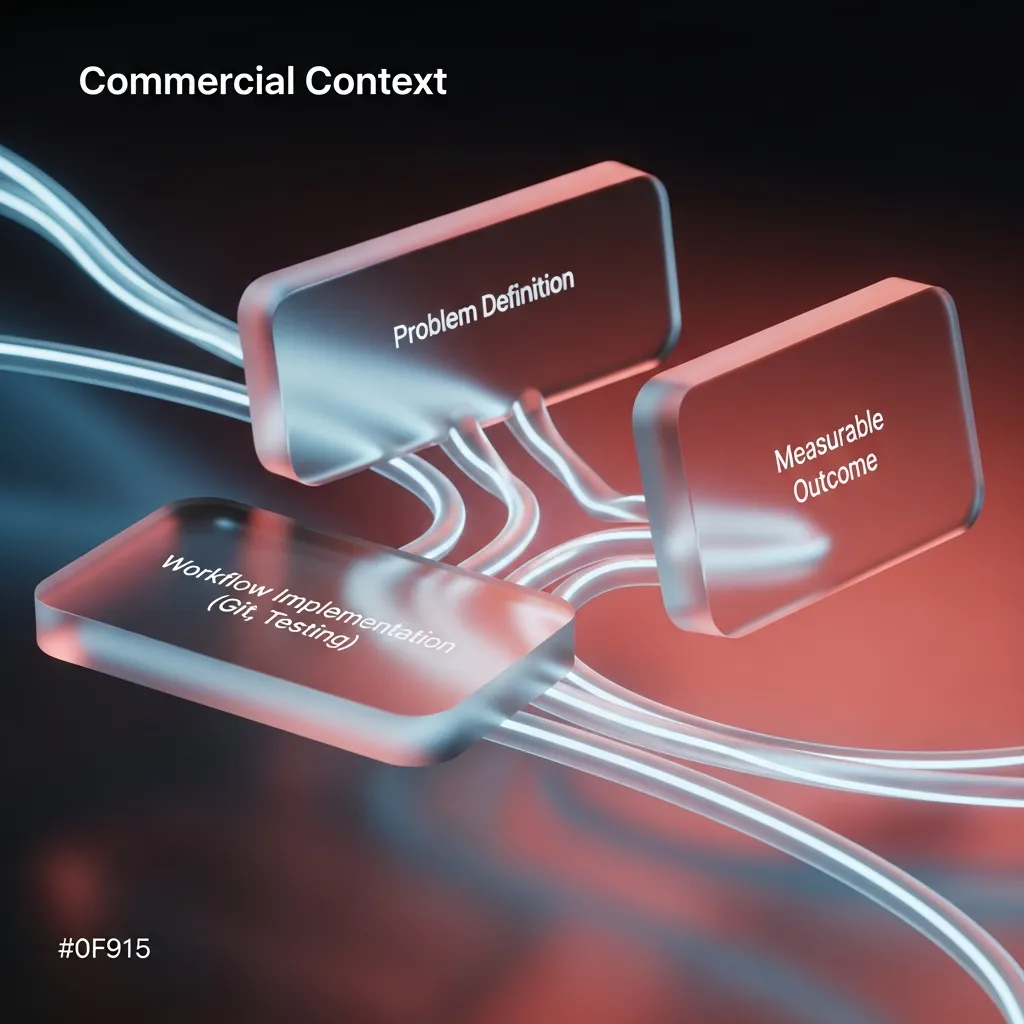
Define the Scope and Stakeholders
Every commercial project solves a problem for a defined user or client (the "stakeholder").
- Identify the "Client": Who benefits from this project? If it's a productivity tool, your 'client' is a niche group seeking efficiency. If it's a game, the 'client' is the entertainment consumer.
- Establish the "Business Goal": What was the measurable outcome? (e.g., "Reduce manual data entry time by 40%", "Serve 50 active users monthly"). This transforms a technical challenge into a business solution.
2. Structure Is King: Formatting Your Project Narrative
A resume entry for a commercial project follows a clear structure: Context, Action, and Result (CAR or STAR). Your pet project needs this same rigor.
- Project Title: Give it a professional, marketable name (e.g., not "My Python Script," but "Automated Inventory Reconciliation Dashboard").
- Duration: Use real dates, treating it like a short-term contract (e.g., "Q3 2023 Contract"). This signals structure and completion.
- Description—The Commercial Context: Start with the problem you solved, not the technology you used.
- Weak: "Used React and MongoDB to build a social media clone."
- Strong: "Architected and deployed a scalable platform to address the fragmentation of local event discovery, resulting in 150 unique registered users in the first month."
3. Quantify Everything: The Language of Impact
Commercial experience is measured by metrics. If you cannot measure it, it often doesn't count. Recruiters look for numbers that demonstrate scale, efficiency, or growth.
Essential Metrics to Include:
| Metric Type | Example Description |
|---|---|
| Scale | Managed a database of 10,000+ records. Handled peak traffic of 50 simultaneous users. |
| Efficiency | Reduced backend processing latency from 500ms to 80ms (84% improvement). |
| Cost Savings | Developed an alternative to a paid SaaS service, saving estimated $500 monthly. |
| Adoption/Growth | Achieved a 20% week-over-week user growth rate during beta testing. |
Focus your bullet points on the results of your actions using strong action verbs (architected, optimized, deployed, engineered).
4. Emulate Professional Workflow and Tooling
Commercial projects don't just happen; they are managed. By demonstrating familiarity with professional development practices, you signal readiness for a commercial environment.
Showcase Your Process:
- Source Control & Collaboration: Did you use Git/GitHub? Mention specific features you utilized (branching strategies, pull requests, code reviews—even if you reviewed your own code using professional standards).
- Documentation: Did you create user guides, technical specs, API documentation (Swagger)? Mentioning adherence to documentation standards (even internal ones) adds significant professional weight.
- Testing & CI/CD: If you implemented unit tests, integration tests, or used pipelines (e.g., Jenkins, GitHub Actions), this directly mirrors commercial processes. State clearly: "Implemented a full CI/CD pipeline to ensure zero-downtime deployments."
- Feedback Loops: If you gathered beta tester feedback or iterated based on user interviews, describe this agile approach.
5. ATS Optimization: Ensuring Your Project Gets Seen
The first hurdle is often the Applicant Tracking System. If your pet project isn't using the right professional keywords, it might be filtered out before a human even sees it.
Treat your project description as if it were a formal job description response. Ensure you use the same industry terminology found in the commercial roles you are applying for.
Key Keywords to Integrate:
- Methodology: Agile, Scrum, Kanban, Iterative Development.
- Infrastructure: AWS/Azure/GCP, Docker, Kubernetes, Serverless Architecture.
- Testing: Unit Testing, Integration Testing, TDD, Quality Assurance (QA).
- Professional Tasks: Requirement Gathering, Technical Specification, Deployment Strategy, Performance Optimization.
We encourage you to run your project description through an ATS scanner, like the one available at RolePilot (/ats-check.html), to ensure maximum keyword alignment before submission.
Conclusion: Bridging the Gap
Framing your pet projects as commercial experience requires strategic effort and a change in narrative focus. By defining clear business goals, quantifying your impact, documenting your professional processes, and optimizing for ATS detection, you transform passion projects into compelling evidence of your commercial readiness. Recruiters won't see a hobby; they will see a candidate who already operates at a high, professional standard.
\n\n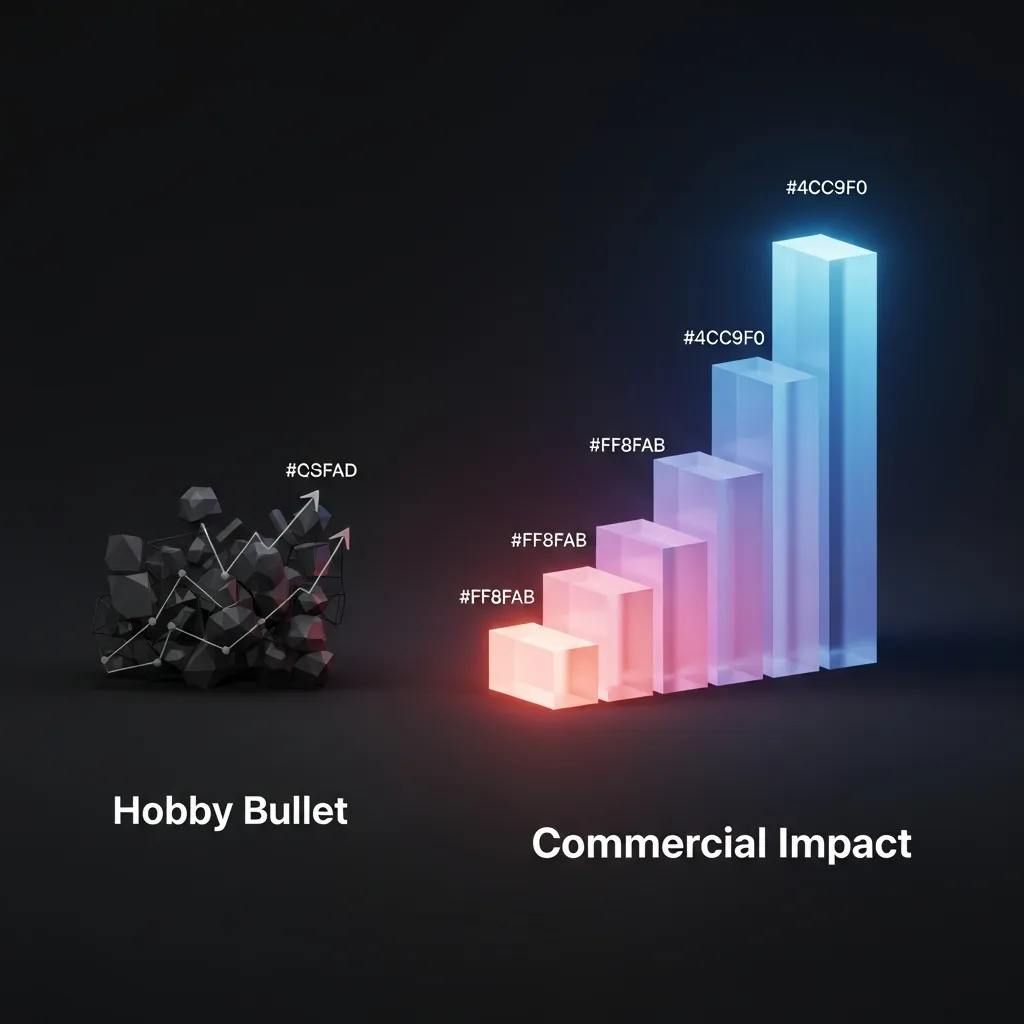 \n\n\n
 \n
\n