
Introduction: The Candidate Protector's Guide to Vetting Job Descriptions
As the job market evolves, so does the language companies use to attract—or mislead—candidates. While many job descriptions accurately reflect roles and expectations, certain phrases act as subtle, almost invisible, red flags signaling poor boundaries, understaffing, and a high risk of mandatory burnout. RolePilot, your dedicated Candidate Protector, is here to help you decode this toxic corporate jargon.
Spotting these phrases early is crucial. They are often used to justify expectations that go far beyond professional norms, demanding emotional labor or vast amounts of unpaid time. If a company has great benefits, competitive pay, and reasonable working hours, they advertise those things. When they focus on fluffy, vague language, it’s time to investigate deeper.
The Most Toxic Phrase: "We're More Than Colleagues, We're Family"
This phrase is perhaps the most insidious in modern job descriptions. While a supportive, close-knit team is appealing, equating a workplace with a family is often a mechanism for exploiting labor.
In a healthy professional relationship, boundaries are clear: work happens during work hours, compensation is tied to output, and emotional support is voluntary. In a family dynamic, however, guilt, obligation, and emotional pressure are leveraged to demand extra effort.
What "We're a Family" really means:
- Unpaid Emotional Labor: You are expected to absorb management stress and participate in mandatory, time-consuming social activities.
- Dissolving Boundaries: Expect calls, emails, and demands outside of typical working hours, justified by the notion that "we all pitch in for the family."
- Guilt-Driven Overtime: Requesting compensation for overtime is met with accusations of not being a team player or not caring about the "family's" success. This is often a guarantee of unpaid overtime.
Deciphering the Code: Other High-Risk Red Flags in Job Ads
Beyond the familial connection, there are several other phrases that should prompt caution. These often signal fundamental problems with management, structure, or staffing.
1. “Must Be Comfortable Wearing Many Hats”
Literal Meaning: We are severely understaffed and expect one person to do the work of three different roles.
The Risk: This phrase implies the company lacks clear departmental structures or the budget to hire specialists. You will be spread thin, likely performing duties you weren't hired for, leading to high stress and mediocre results across the board. Look closely at the required skills; if they span multiple distinct disciplines (e.g., “must manage social media, handle internal accounting, and develop software”), run an immediate cross-check on salary expectations.
2. “Rockstar/Ninja/Guru Required”
Literal Meaning: We want an industry expert who will accept entry-level pay while delivering superhuman results.
The Risk: This is highly subjective, inflated language used to create unreasonable expectations. Companies using this terminology often value flair and hype over measurable outcomes. If the required skill set is advanced but the salary is vague or low, they are hunting for a discounted expert willing to trade title for pay.
3. “Fast-Paced, Dynamic Environment”
Literal Meaning: We operate in constant chaos, lack standardized processes, and have high employee turnover.
The Risk: While some industries are inherently fast-moving (like startups), this phrase often signals organizational dysfunction. It suggests that changes happen constantly, deadlines are arbitrary, and there is little time for thoughtful execution or planning. If you thrive only in highly structured environments, this is a major warning.
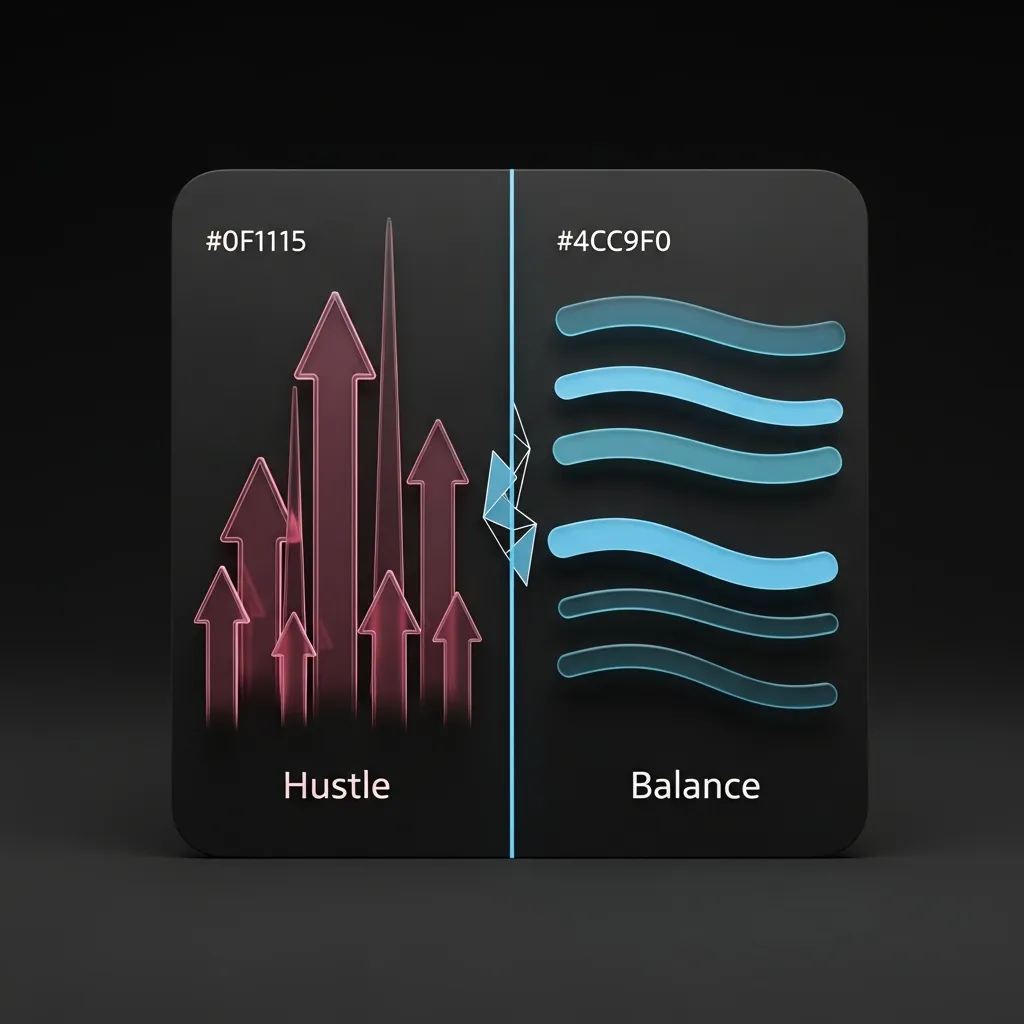
4. “Requires Intense Dedication / We Have a Strong Hustle Mentality”
Literal Meaning: We actively encourage burnout and expect extreme hours without appropriate rest or compensation.
The Risk: This is toxic culture codified. It treats exhaustion as a badge of honor. A healthy company values efficiency and sustainability; a company obsessed with the “hustle” typically relies on employee self-sacrifice instead of smart resource management.
How to Protect Your Professional Boundaries
Identifying these toxic phrases is just the first step. Protecting yourself requires proactive vetting during the interview process.
- Ask Specific Follow-Up Questions: If they mention a "family culture," ask: "What are the established expectations regarding responding to communications after hours?" or "How does the company ensure employees take adequate time off?"
- Inquire About Turnover: High turnover in the specific role or department is a screaming indicator that the culture is unsustainable.
- Vetting Documents: Before signing any contract, make sure every detail regarding compensation, hours, and responsibilities is clearly documented. If you need assistance ensuring your professional documents are optimized and free of hidden liabilities, use our resources at /ats-check.html.
Conclusion: Prioritizing Your Professional Boundaries
Your job is a professional contract, not an emotional obligation. Remember that a great company values your expertise, compensates you fairly, and respects your time. If a job description focuses more on vague cultural demands than tangible benefits and realistic expectations, consider it a clear warning. Trust RolePilot to help you navigate these traps and protect your career.