
The Digital Gatekeeper: Why Understanding ATS in 2026 Matters
For job seekers, the Applicant Tracking System (ATS) isn't just a database; it’s the primary gatekeeper to opportunity. By 2026, these systems have evolved far beyond simple keyword searches. They now employ advanced AI, Natural Language Processing (NLP), and complex scoring matrices that operate like a digital black box, deciding your fate before a human recruiter ever sees your application.
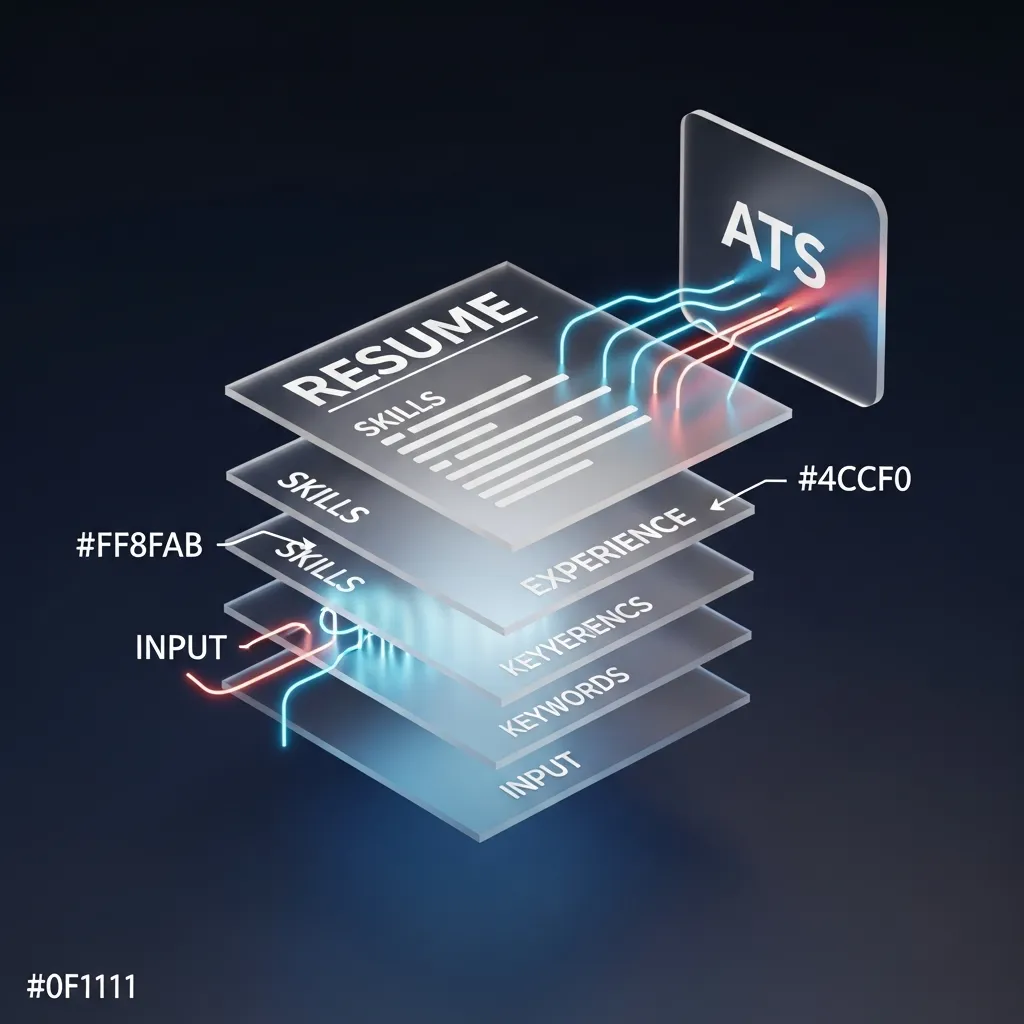
We know this process feels unfair. As your Candidate Protector, RolePilot is here to demystify these hidden algorithms, giving you the knowledge needed to ensure your application sails smoothly through the digital screening process.
The Evolution of ATS: Beyond Simple Keyword Matching
Five years ago, beating the ATS meant sprinkling your resume with keywords copied directly from the job description. Today, that technique is obsolete. Modern ATS are designed to detect keyword stuffing and assess context, often penalizing candidates who rely on superficial matches.
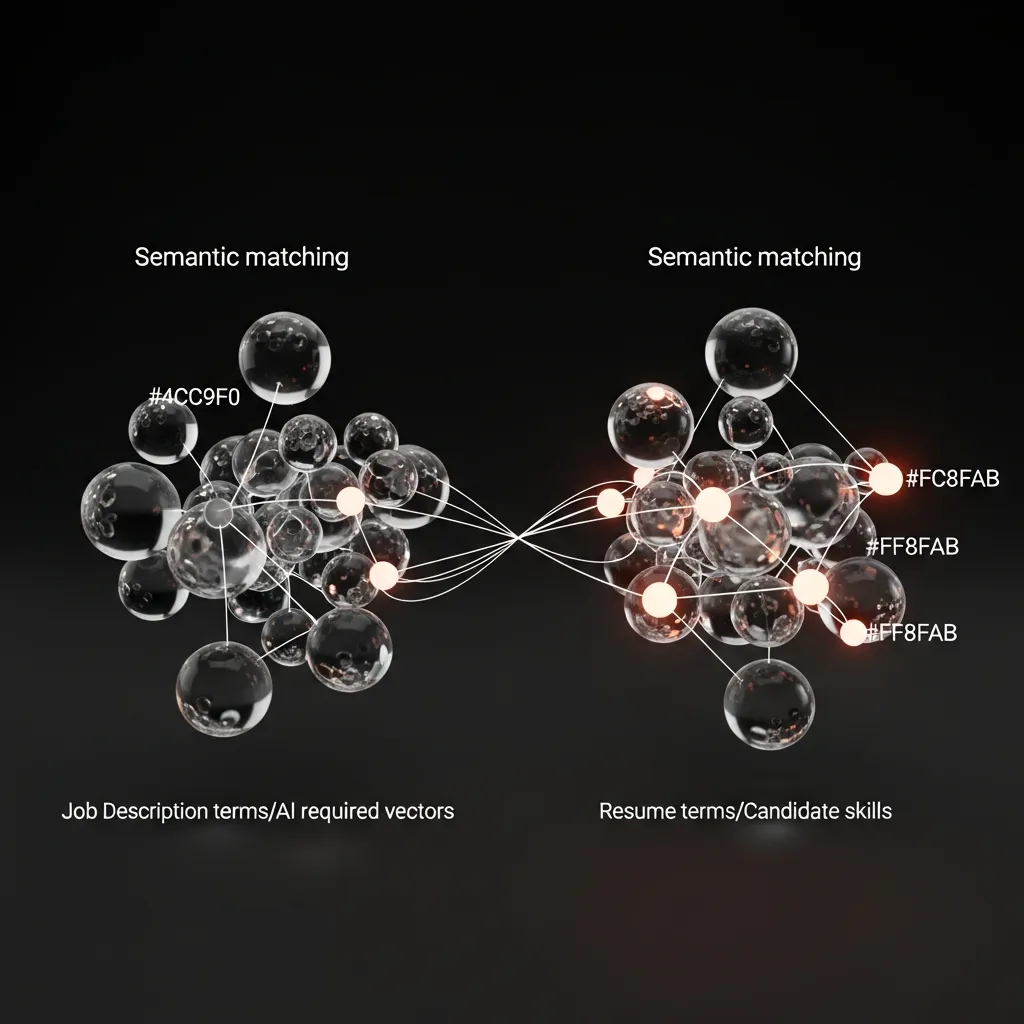
The 2026 systems focus on true competency mapping and semantic understanding. They aim to parse the intent and impact of your experience, not just the vocabulary. This shift requires candidates to optimize their structure and language for AI interpretation.
Hidden Algorithm #1: Semantic Contextualization
This is perhaps the most crucial hidden algorithm. Instead of just searching for the exact phrase “Project Management,” the ATS uses advanced NLP models (often custom-trained for specific industries) to understand related concepts like “cross-functional leadership,” “delivery roadmaps,” or “stakeholder communication.”
How it works: The system creates an embedding map, translating your entire resume into vectors of meaning. If the job requires a “financial analyst,” but your resume describes “budget forecasting and ROI maximization,” the semantic model understands these are equivalent competencies. If your description is too vague or generic, however, the model struggles to connect your skills to the required vectors.
Hidden Algorithm #2: Skill Cluster Correlation
ATS algorithms in 2026 don't just look for individual skills; they look for skill clusters—groups of related abilities that confirm genuine expertise. For example, if you list ‘Python,’ the system expects to find related terms like ‘pandas,’ ‘data visualization,’ or ‘machine learning libraries.’
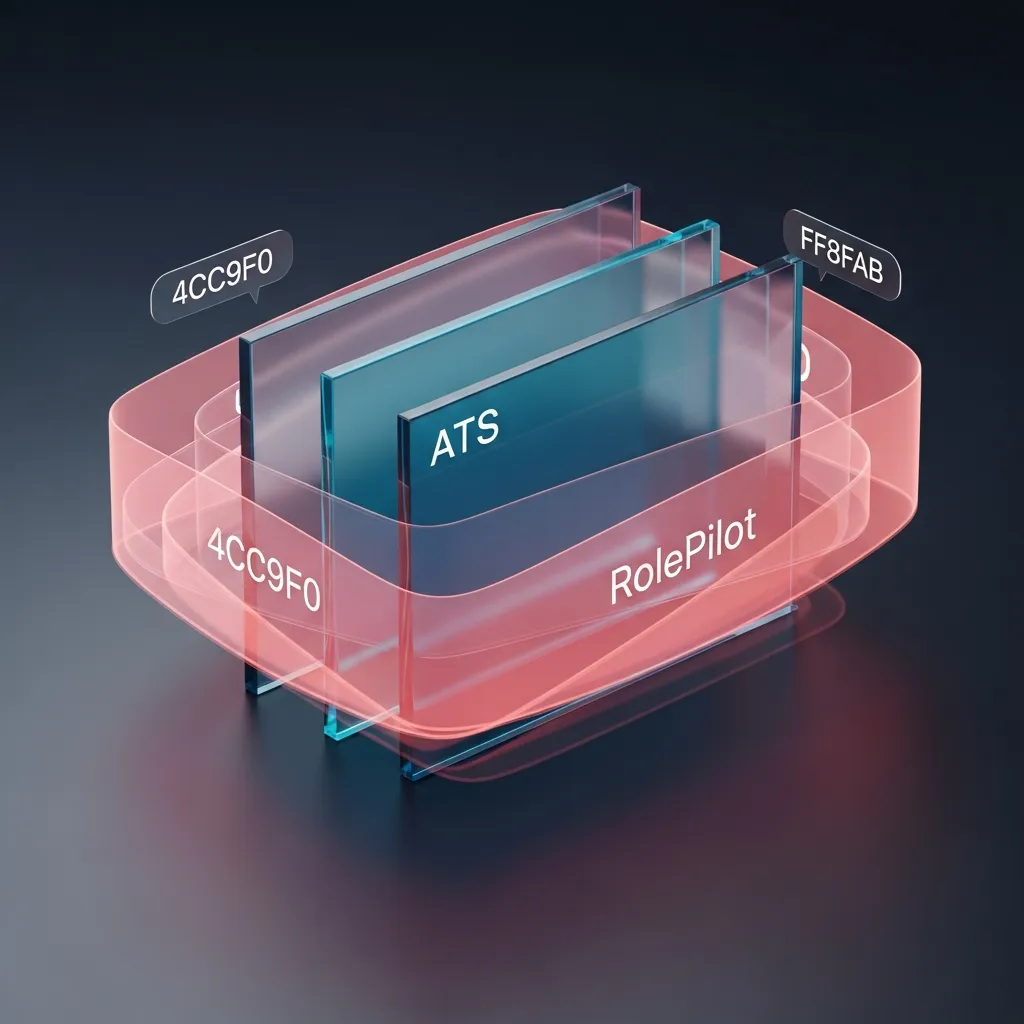
If the ATS finds a high score for a required skill but lacks the correlated support skills, it flags the primary skill as potentially inflated or non-contextual. These correlation checks ensure candidates possess depth, not just breadth.
Hidden Algorithm #3: Format Fingerprinting and Structural Integrity
While content is king, structure is the key to the castle. Format Fingerprinting is the hidden algorithm that assesses the underlying structure of your document, often before parsing the content itself. ATS systems prefer clean, recognizable layouts because they ensure the data is mapped correctly into the fields (e.g., separating Job Title from Company Name, or Experience from Education).
PDFs are generally safer than exotic formats, but the use of complex tables, graphics, or custom fonts can still break the parser's logic, causing crucial information to land in the wrong field or be discarded entirely.
Protect your candidacy before it even enters the algorithm. Use our dedicated tool to check if your current resume is ATS-compliant: ATS Check Tool.
The 2026 ATS Scorecard: Behavioral and Predictive Analysis
Modern ATS are moving toward predictive analysis, attempting to quantify not just if you can do the job, but how long you will stay and how well you fit the company culture (based on keywords related to collaboration, leadership styles, and tenure history).
The 'Unspoken Metrics':
- Tenure Consistency: Frequent short stints (job hopping) often lead to a lower score, unless justified clearly (e.g., contract work, industry shift).
- Action Verb Strength: Weak verbs or passive language are scored lower than strong, results-oriented action verbs (e.g., 'managed' vs. 'pioneered,' 'achieved').
- Result Quantification: The presence and placement of measurable outcomes (numbers, percentages, metrics) significantly boost the 'impact' score.
How to Be a Candidate Protector: Mastering the 2026 ATS
Bypassing the modern ATS isn't about trickery; it's about translating your authentic value into the digital language the system understands. Focus on these actions:
- Optimize for Semantics: Don't just copy keywords. Use a variety of related, contextually rich language to describe your accomplishments.
- Embrace Quantification: Ensure every bullet point that can include a metric, does include a metric. Numbers are the language of AI scoring.
- Prioritize Clarity: Use standard section headings (Experience, Education, Skills) and clear, traditional formatting. Avoid visual complexity that compromises structural integrity.
RolePilot’s mission is to be your shield against the hidden pitfalls of digital recruitment. By understanding the deep algorithms at work, you transform from a hopeful applicant into an optimized candidate ready for human review.
\n\n \n
\n