Why Bypassing HR is the Strategic Move
When applying for technical roles, especially in mid to senior-level engineering, the traditional application funnel often bottlenecks at the Human Resources (HR) screening stage or the dreaded Applicant Tracking System (ATS). HR’s primary role is filtering for minimum requirements and cultural fit, often using keyword checks that can misinterpret niche technical skills.

However, the Engineering Manager (EM) is looking for one thing: a solution to their immediate and pressing technical problems.
Direct outreach, or the “stealth pitch,” is about maximizing your control over the narrative. Instead of waiting for a keyword match to surface your name, you deliver a tailored, problem-solving narrative straight to the person who holds the ultimate hiring authority. This approach frames you immediately as a valuable colleague, not just another applicant.
If you are worried about whether your resume is optimized for eventual submission or review, ensure you run an /ats-check.html before sending your final materials. But for the initial contact—the cover letter—you must aim higher than the filtering mechanism.
Understanding the Engineering Manager's Mindset
To write effectively to an EM, you must shift your perspective from 'What do I want?' (A job) to 'What does the EM need?' (Results). Engineering Managers are typically focused on:
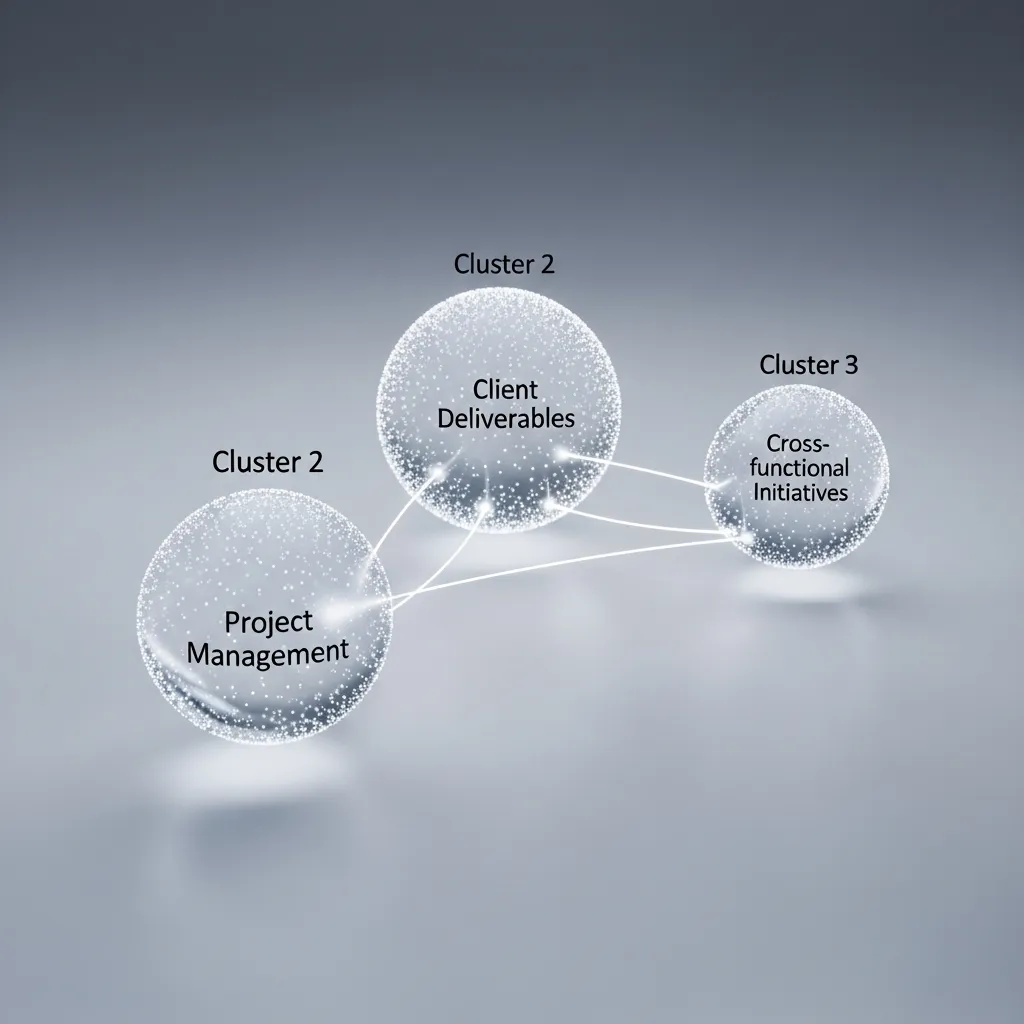
- Risk Mitigation: Avoiding system failures, performance degradation, or costly bugs.
- Project Delivery: Hitting deadlines, reducing technical debt, and improving efficiency.
- Team Health: Mentoring juniors, improving processes, and fostering innovation.
Your cover letter must address these pain points directly. They don't want to hear vague enthusiasm; they want proof that you understand their current struggles, whether it's scaling microservices, optimizing database performance, or transitioning to a new cloud platform.
The Anatomy of a Direct-Pitch Cover Letter
Forget the three-paragraph standard template. A successful direct pitch is a highly concentrated demonstration of value, typically divided into three powerful sections:

1. The Hook (Immediate Relevance)
Start by acknowledging a specific, recent achievement or challenge related to their team or company. This shows you’ve done your research beyond reading the job description.
Example opening: "I noticed your team recently launched the XYZ scaling initiative (or achieved ABC milestone). Based on my experience optimizing latency in high-throughput environments at [Previous Company], I see a clear path to improving data flow stability using [Specific Technology]."
2. The Bridge (Quantified Solutions)
This is the core of your pitch. Link your past quantifiable accomplishments directly to the EM's current needs. Use metrics and specific technical language. Do not rely on soft skills here (though they are important for the team—the EM cares about measurable impact first).
Example body: "Specifically, my work migrating our legacy caching layer resulted in a 30% reduction in average query response time, crucial for supporting the user growth I anticipate you are targeting this quarter. I leveraged Kubernetes and Istio for dynamic resource allocation, a setup I see parallels with in your environment."
3. The Call to Action (Focused and Direct)
Don't ask for a 30-minute introductory call. Ask for 15 minutes to discuss one specific technical challenge you can help them solve. This respects their time and proves you have a topic worth their attention.
Example CTA: "I would appreciate a brief 15-minute chat next week to walk through my proposal for handling potential scalability issues related to your recent database segmentation. Would Tuesday or Thursday work for you?"
Crafting the Subject Line (The Gate Opener)
The subject line must scream relevance and bypass the spam filter of a busy EM’s inbox. Avoid vague terms like “Job Inquiry.”

Poor: Application for Senior Software Engineer. Better: Scaling Solution for [Project Name] – Senior Engineer Expertise. Best: Proposal: Reducing Latency by 20% on the [Team/Product Name] Platform (Reference JD #XXXX).
Use a mix of the specific problem, your seniority, and the job ID (if applicable) to ensure it gets routed correctly and prioritized instantly.
The Essential Do's and Don'ts of Direct Outreach
| DO | DON’T |
|---|---|
| DO reference specific technologies and tools used by the team. | DON’T simply attach your resume without context. |
| DO keep the letter under 250 words—precision is key. | DON’T use highly generic, fluffy language ('highly motivated team player'). |
| DO mention if you have a referral, even if informal (e.g., 'Joe suggested I reach out'). | DON’T criticize their current implementation; frame your solutions positively. |
| DO ensure the tone is professional, confident, and focused on value. | DON’T forget to proofread technical terms. |
Finalizing Your Stealth Pitch
Sending a direct cover letter to an Engineering Manager is a high-risk, high-reward move. It skips the initial protection barrier (HR/ATS) but demands absolute tactical precision. Every sentence must deliver value. If successful, you move immediately to a conversation with the decision-maker, radically accelerating your job search.
Remember, your goal as a candidate is protection—protecting your time and expertise from being lost in automated systems. Use this strategy to assert control over your candidacy.