The Digital Handshake: Why Format Matters More Than Ever
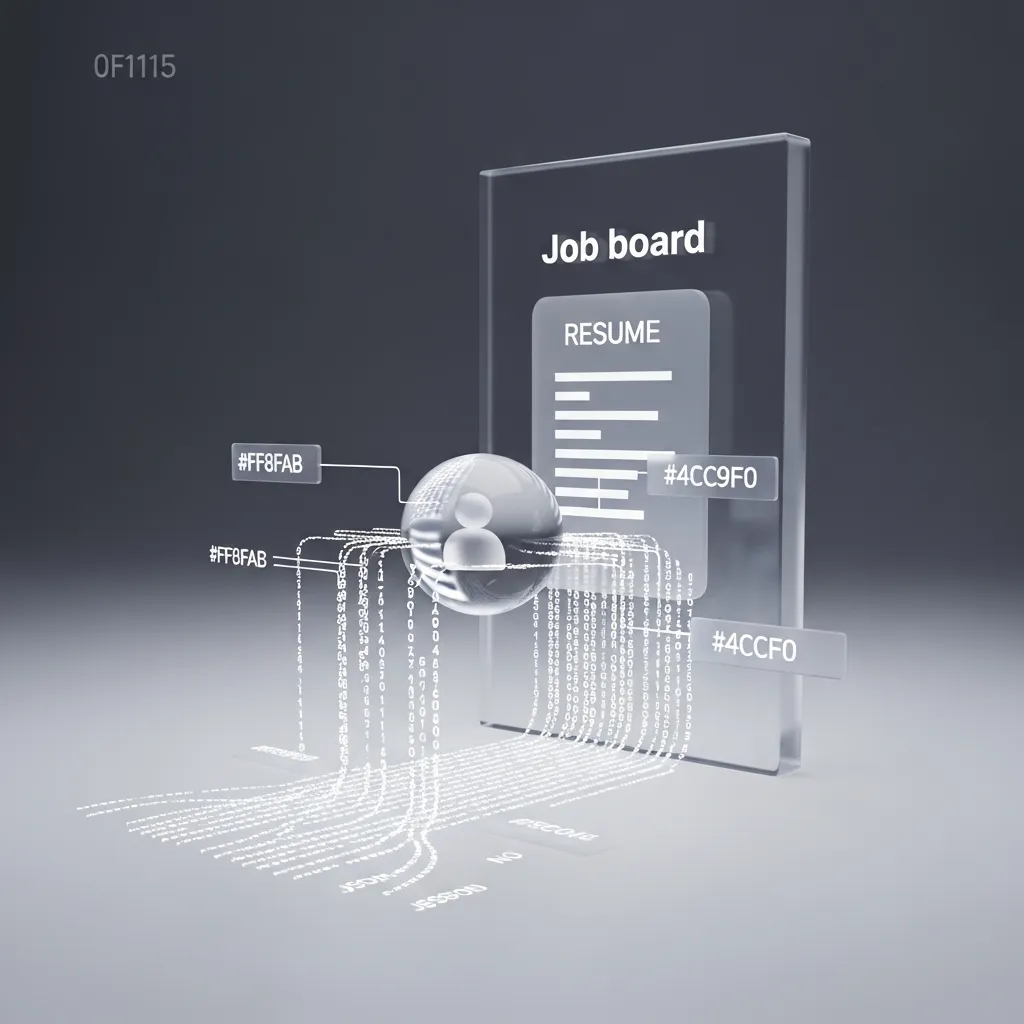
In the competitive landscape of Western job markets, the first entity to review your application is rarely human. It's the Applicant Tracking System (ATS), often powered by sophisticated AI. These systems don't just read your resume; they parse it, structure it, and score it based on data fields.
If your traditional Word or PDF document is visually complex, the ATS often fails to extract key information accurately, resulting in a phenomenon we call "data loss." This is where the JSON Resume format steps in—it’s designed for machines.
What is the JSON Resume Format?
JSON (JavaScript Object Notation) is a lightweight data-interchange format. Crucially, it is structured, hierarchical, and language-agnostic. While you won't submit a raw .json file to every job board, understanding this structure is vital because modern ATS platforms often internally convert your standard resume into a structured format (like JSON or XML) for AI consumption.
By intentionally structuring your resume according to established JSON standards (like the official resume-schema.org), you ensure maximum compatibility and perfect parsing. You are effectively speaking the machine's language from the start.
The RolePilot Philosophy: Candidate Protection Through Structure
At RolePilot, our mission is to be your Candidate Protector. Protecting you means ensuring your skills and experience are accurately conveyed, not lost in translation by a faulty parser.
A JSON-ready resume guarantees:
- Perfect Parsing: Every section (Work Experience, Skills, Education) is clearly delineated, leaving no ambiguity for the AI.
- Seamless Integration: When job boards offer "Import from Profile" features, they often rely on structured data formats. A JSON foundation makes this integration instant and error-free.
- AI Compatibility: Future-proofing your resume for advanced AI matching algorithms that prioritize structured inputs.
Key Components of the JSON AI Resume
To build a resume optimized for this format, focus on these structured fields, ensuring clarity and consistency:
1. The Basics Object
This is your foundational data: name, contact information, and a professional summary.
- Crucial Tip: Ensure your summary is concise and keyword-rich, reflecting the target job description. Avoid fluffy narratives.
2. Work Experience Array
This is where the structure is paramount. Each job entry must be a separate object (a structured container) within the array.
- Structure: Job Title, Company, Location, Start Date, End Date, and a tightly focused list of bullet points detailing achievements (using strong action verbs and metrics).
3. Skills Array
Avoid large, unstructured paragraphs of skills. The JSON format demands clear categorization.
- Best Practice: Group skills logically (e.g., "Programming Languages," "Cloud Technologies," "Soft Skills"). This aids the ATS in quickly matching specific requirements.
4. Education Array
Similar to work experience, maintain separate objects for each degree or certification, including institution, field of study, and dates.
How to Create Your JSON AI Resume
While manual coding is possible, several AI tools, including RolePilot, can generate or validate a JSON-ready output based on your input. Here are the steps:
- Use a Generator: Utilize tools that export data into structured formats.
- Clean Your Data: Input simple, consistent, and standardized information. Avoid complex formatting like custom fonts, multiple columns, or embedded graphics in the source document.
- Validate Against ATS Standards: Even if you use a standard JSON schema, cross-reference its readability. Use tools like our internal /ats-check.html feature to see how well systems parse your current structure. A clean, parseable resume is the ultimate goal.
Moving Beyond PDF: The Future is Structured
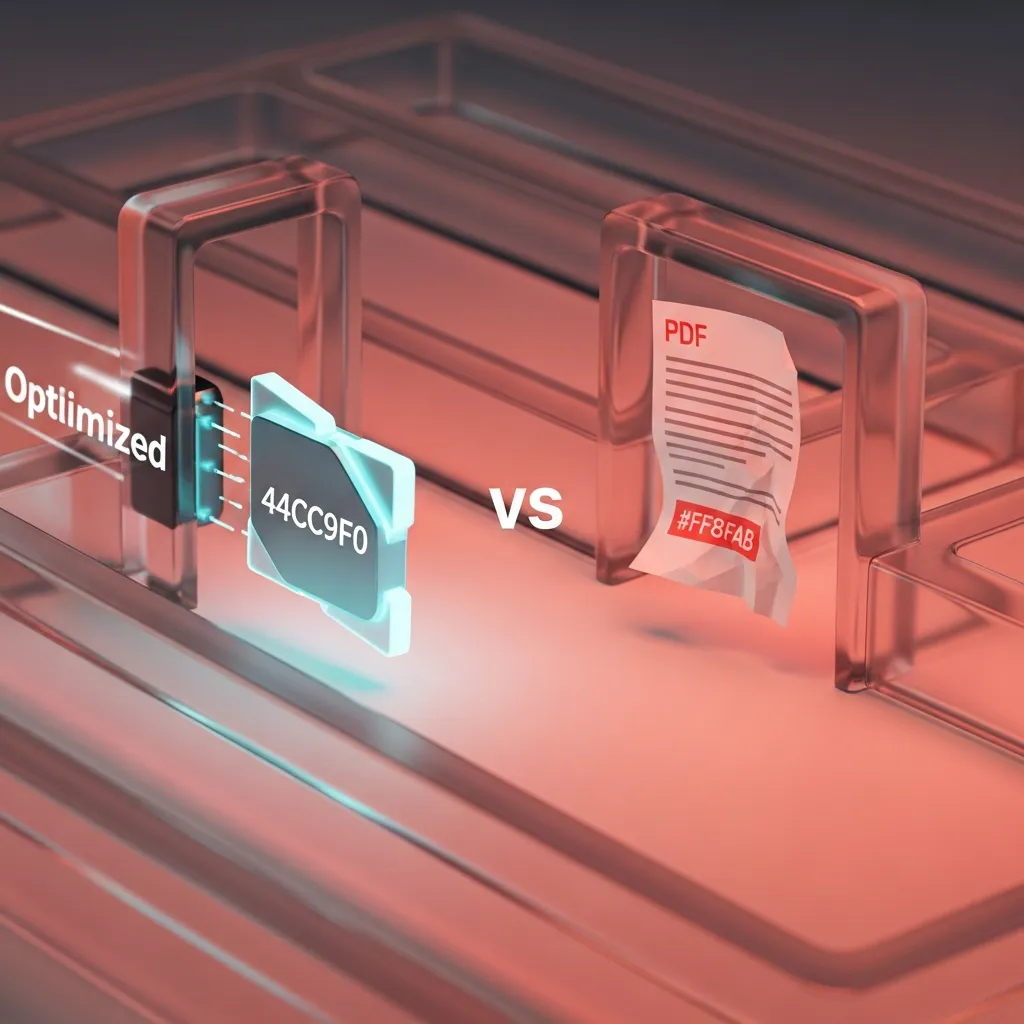
The traditional resume is a design document; the AI resume (JSON) is a data document. By adopting the principles of structured data, you move your application from a visual hurdle to a perfectly digestible input for the machines guarding the recruitment gate. Don’t let poor formatting prevent your professional story from being told. Protect your career progression by making sure your resume speaks fluently to the ATS.
Remember to leverage every tool available. Checking your resume's structural integrity using ATS validation tools is just as important as perfecting the content. Get started today: /ats-check.html
\n\n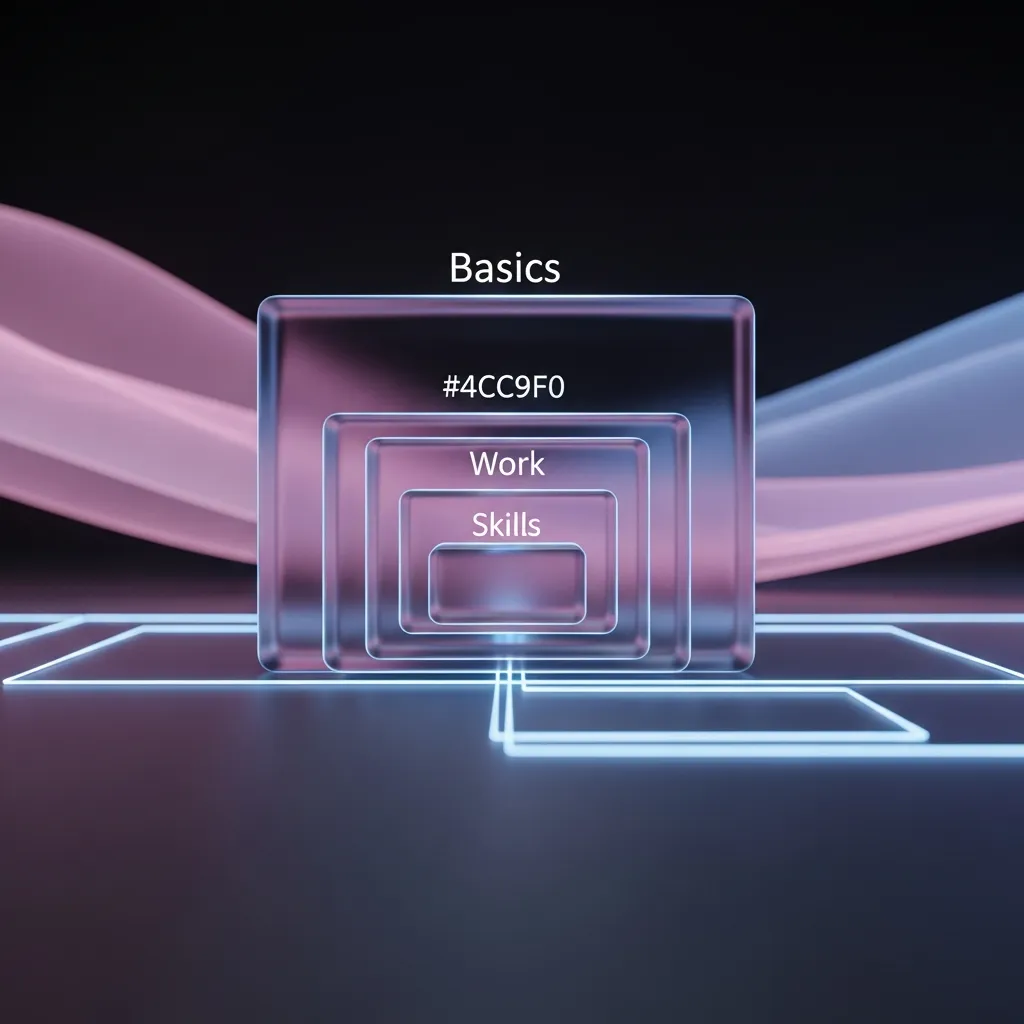 \n\n
\n\n \n\n\n\n
 \n
\n