
The Modern Barrier: Why Great Candidates Get Rejected
The job market is often described as a competitive race, but for many candidates, it feels more like navigating a high-security maze. That maze is guarded by two key entities: the Applicant Tracking System (ATS) and increasingly sophisticated AI recruitment tools.

At RolePilot, we position ourselves as the Candidate Protector. We know these systems are designed for efficiency, but often sacrifice humanity, weeding out perfectly qualified professionals simply because they fail a keyword matching test or fall outside an algorithm’s rigid definition of "fit."
This guide is your comprehensive hub for understanding, preparing for, and ultimately, mastering the digital screening processes that stand between you and your next job offer. We'll turn the ATS from a rejection machine into a stepping stone.
Section 1: Decoding the ATS Maze
The ATS is essentially a database designed to sort, rank, and filter resumes based on predefined criteria set by recruiters. Understanding its logic is the first step in bypassing it.

Common ATS Filtering Methods:
- Keyword Matching: The most basic filter. The system scans the job description (JD) and looks for exact or semantic matches in your resume. If you lack the "required" keywords, you are immediately ranked low or disqualified.
- Formatting Consistency: Highly stylized or overly graphical resumes often confuse the ATS parser. It struggles to read headers, tables, or non-standard fonts, resulting in garbled data—leading to automatic rejection.
- Time-in-Role/Job Hopping: While human bias plays a role, some systems flag candidates who show short tenures (e.g., less than one year) too frequently.
Section 2: The Rise of AI Recruitment: A New Layer of Scrutiny
Beyond simple ATS keyword scanning, Artificial Intelligence (AI) is introducing behavioral and predictive analysis to the hiring funnel. AI tools are used for:
- Semantic Matching: Analyzing the meaning and context of your experience, not just the keywords.
- Personality Assessments: AI tools analyzing text patterns in cover letters or answers to application questions to predict cultural fit or motivation.
- Video Interview Analysis: Analyzing facial expressions, tone, and speaking pace for "engagement" metrics.
This is where the Candidate Protector role becomes vital. You need strategies that appeal both to the keyword-hungry ATS and the sophisticated logic of AI.
Tactical Strategies for ATS Bypass Success
To ensure your application doesn't vanish into the digital void, focus on optimization and clarity.
1. Optimize for Keywords (The Foundation)
Always use the exact terminology found in the job description (JD). If the JD lists "CRM Management," do not use "Client Relationship Software Oversight" just to sound unique. Mirror their language.
2. Formatting: Simplicity is Protection
Use a clean, standard resume template. Stick to traditional fonts (Calibri, Arial, Times New Roman). Avoid headers, footers, tables, text boxes, and complex graphics. The goal is maximum readability by a machine.
Pro-Tip: Test your resume's parsing ability before submission using a tool like RolePilot’s dedicated ATS Check. This confirms how the system "reads" your document. Check it here: [/ats-check.html]
3. Master the Application Data Entry
Many companies use the ATS to strip your resume and force you to manually enter data into web forms. This step is critical:
- Consistency: Ensure the information you type into the form perfectly matches your uploaded resume. Discrepancies can flag your application.
- Completeness: Never skip optional fields if you have relevant information. AI systems prioritize completeness.
Section 4: AI-Proofing Your Personal Branding
Since AI can analyze the totality of your digital footprint (especially your LinkedIn profile if linked), your focus must shift from merely optimizing a static document to ensuring holistic brand consistency.
1. Semantic Resonance
When describing achievements, move beyond generic duties. Focus on impact and results using verbs and nouns that resonate with industry-specific success metrics. Instead of "Managed social media," use "Drove 30% increase in lead generation via targeted organic social campaigns."
2. Behavioral Alignment
If an application uses behavioral screening questions, use the STAR method (Situation, Task, Action, Result) rigorously. This structured storytelling is easily digestible and highly rateable by AI analysis tools.
The Future of Recruiting: Preparation is Protection
The hiring landscape will continue to evolve, with AI playing an ever-larger role. The key to long-term success isn’t fighting the technology; it's learning to communicate with it effectively while maintaining your genuine professional identity.
RolePilot is committed to providing candidates with the tools and insights needed to navigate these shifts successfully. By mastering the fundamental rules of ATS and understanding the emerging logic of AI recruiters, you protect your candidacy from arbitrary rejection and ensure your qualifications reach the human beings who matter.
\n\n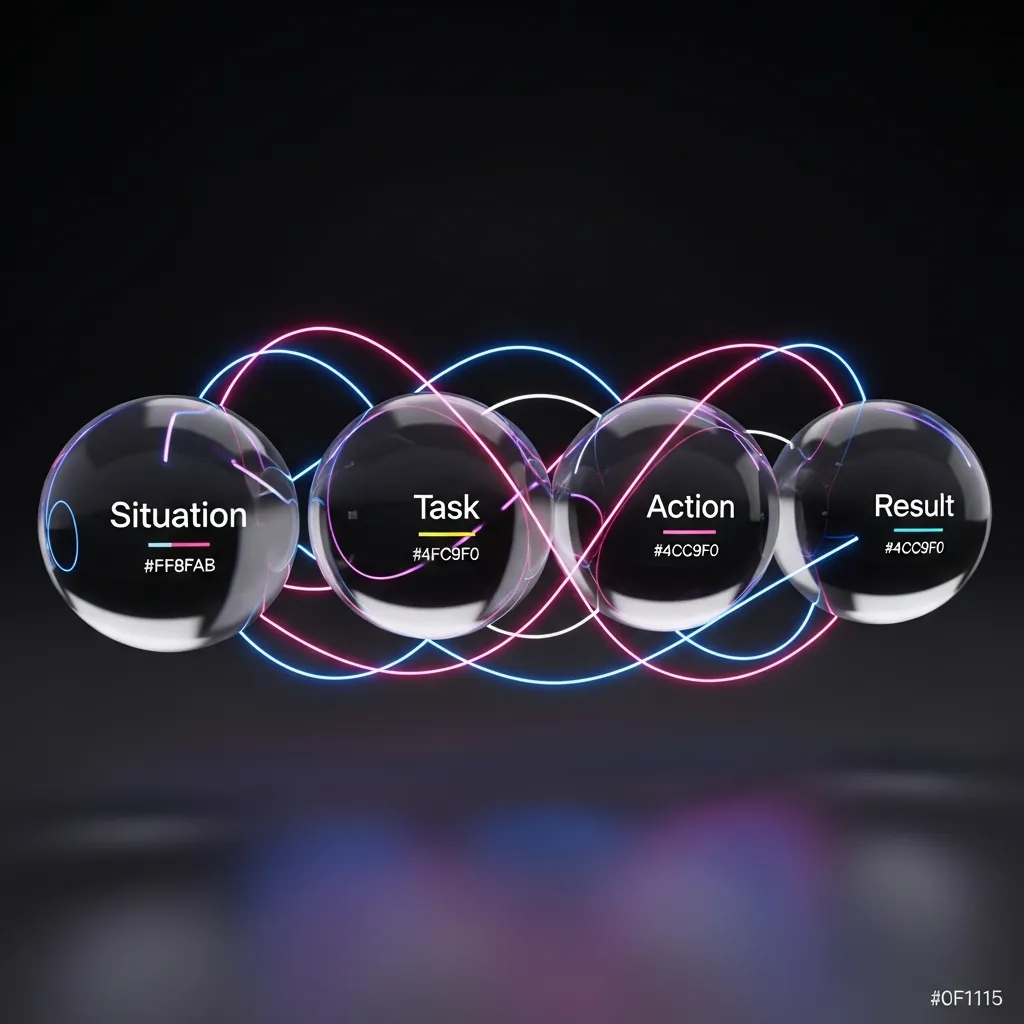 \n
\n